



1. Introduction
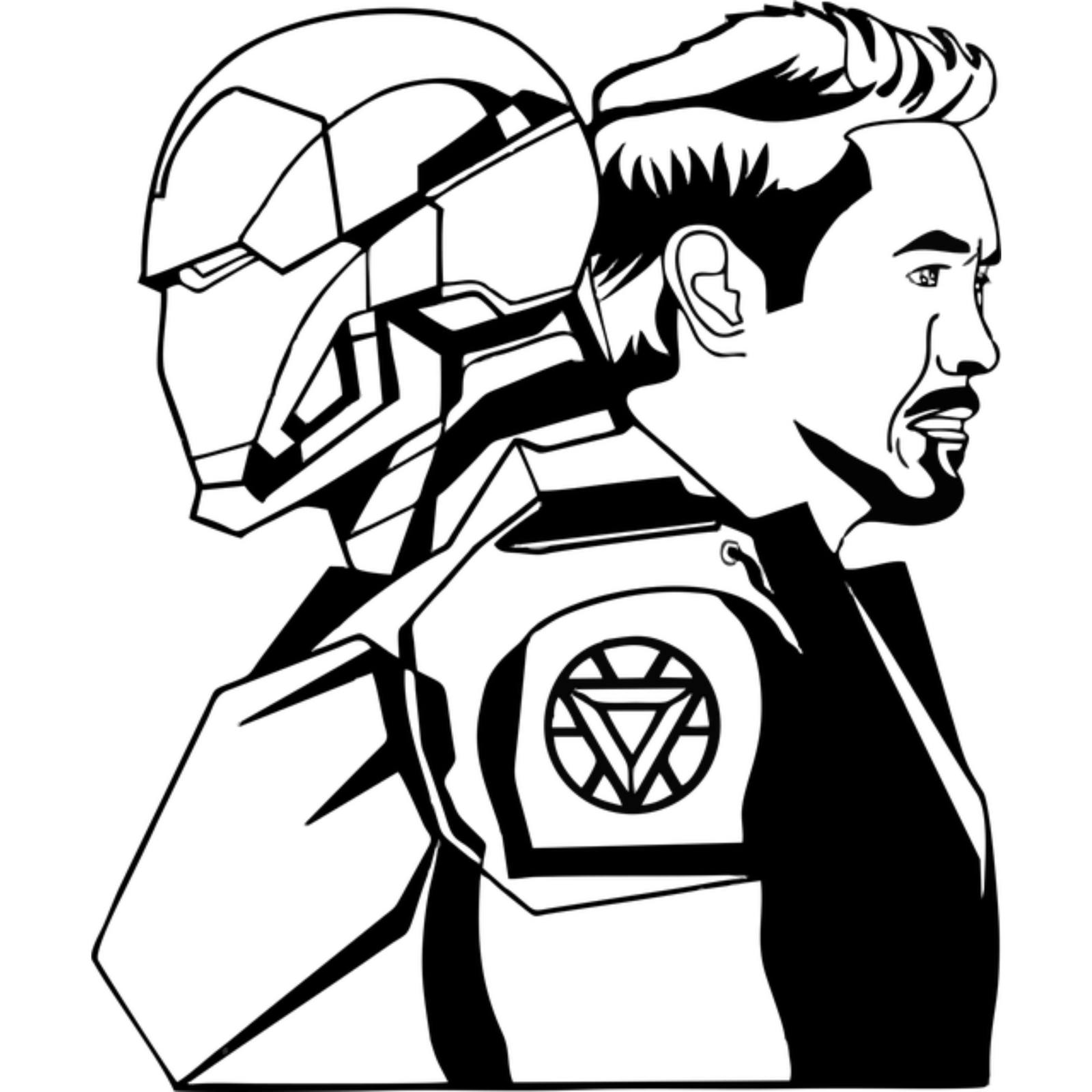
The moment in Iron Man when Tony Stark steps up to the mic, says one honest line, and the entire room just loses it. You can almost hear the crackle of tension because something trivial just turned into absolute chaos. You can feel that sharp twist in your stomach because you know he made things harder for himself. That moment captures the reputation trap. One word meant to calm things down can set off a digital wildfire. When online reactions start spinning out of control, ENL steps in to prevent things from getting messy.
2. What the Reputation Trap Really Is

The reputation trap is the digital spiral that turns a simple apology into a louder problem. You try to fix something, and it circles back stronger. Think about The Dark Knight when Harvey Dent tries to take control of the public story and admits something just to stop the chaos. Instead of calming the city, the reaction grows in ways he never expected. That is how it works online, too. One apology becomes a headline. Then a thread. Then a search result. Suddenly, the mistake grows bigger than the truth.
3. Why Apologizing Can Backfire

If you remember Monsters, Inc., the moment Mike and Sulley try to hide Boo, every attempt to fix the situation creates more trouble. One misunderstanding turns into another. That is how apologies behave online.
Here is why they explode instead of settling things:
The Streisand Effect
Trying to correct or hide something can call extra attention to it. You try to remove bad reviews or calm a story, and people click even more.
Emotional timing
Say sorry too fast, and it feels forced. Say it too defensively, and it sounds hollow. That tone gets picked apart in minutes.
Online pile-on culture
Once people sense controversy, the crowd jumps in. Screenshots spread, reactions grow, and a small problem becomes a topic on every platform.
Search engine permanence
Every apology adds more content. More articles. More posts. More noise tied to your name. Instead of helping, it gives the mistake new life in the search results, where anyone can find it.
4. When an Apology Helps and When It Doesn’t

Frozen shows how apologies work when the conflict is close and the trust is intact. Anna and Elsa resolve things through emotion, not publicity. That is a private space where saying sorry carries real weight. But in Spider-Man: Far From Home, Peter keeps explaining himself, and the truth only sinks him deeper. In the real world, apologies work when the audience is small and calm. In the real world, apologies work when the audience is small and calm. They unravel when the eyes watching are too many or too eager for drama. Timing and visibility decide everything.
5. How ENL Helps Break the Cycle

Think about the classic Men in Black moment when the neuralyzer wipes away the messy parts of a scene. ENL works with a similar calm, but with real ethics and real rules. Instead of flashing a light, we use a smart strategy to clean up the story around your name.
Here is how we steady the situation:
Content Removal and De-indexing
ENL works to remove harmful or false links so the mess stops showing up on the first page. This is key for anyone trying toremove negative reviews, delete bad reviews on Google, or handle negative review removal service requests.
SEO Suppression
We create helpful new content that moves old negativity lower in the search results. This helps when a brand needs to remove negative Google reviews, remove Google reviews from business pages, or lower the presence of a bad headline.
Crisis Strategy
ENL guides clients on whether they should apologize, stay quiet, or shift the message. Sometimes silence saves you. Not every moment deserves a statement. Some need time. Some need a reset.
Eternal Monitoring
We watch search results like a radar so old stories do not rise again. If new bad reviews appear, ENL works to remove bad Google reviews and clean up fresh problems before they spread.
6. Realistic Outcomes

Think of the slow shift you see near the end of a movie when the tension stops roaring, and the air finally settles. Nothing changes in a snap, yet you feel the ground steady under the characters’ feet. ENL brings that same kind of quiet progress. Search results stop echoing old noise. The urge to remove bad reviews or negative Google reviews becomes less frantic because the storm loses strength. Bit by bit, trust returns. People see the present instead of the past, and your digital space starts to feel like your own again.
7. Conclusion
Every story reaches a point where the hero stops running from the mess and starts shaping the ending. That shift applies to real reputations, too. An apology thrown into the public without a plan can trap anyone, even the most seasoned business leader. But with ENL guiding the cleanup behind the scenes, the narrative no longer spins out of your hands. You get a new script, a clear path, and a chance to move forward without yesterday’s noise repeating itself in every search. It is not an escape. It is controlled reclaimed.